Understanding Photography Lighting: Natural vs Artificial Light
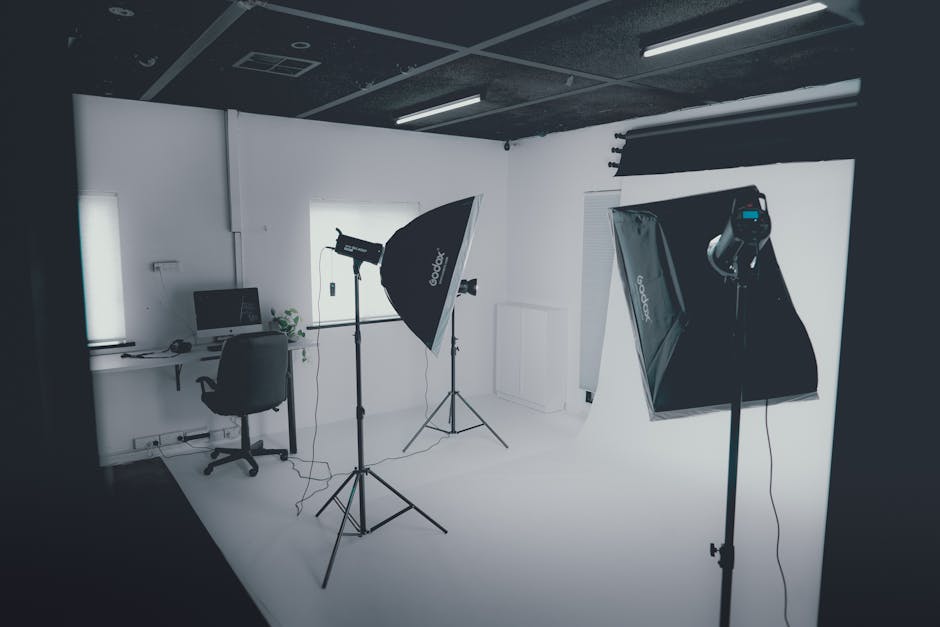
Lighting is the foundation of great photography. Whether you're a beginner or aspiring professional, understanding how to work with light will dramatically improve your images. Let's explore the differences between natural and artificial light and when to use each.
Natural light fundamentals. The sun is free and always available, which is why many photographers love natural light. It's soft, diffused, and flattering, especially during golden hour—the first hour after sunrise or the last hour before sunset. During midday, harsh sunlight creates strong shadows and squinting subjects, so most photographers avoid shooting during these hours. Cloudy days provide beautiful, even lighting without harsh shadows.
Benefits of natural light. It requires no equipment investment, produces warm tones that feel natural to the human eye, and gives your images an authentic quality. Natural light is ideal for outdoor portraits, lifestyle photography, and any situation where you want a soft, approachable aesthetic.
Challenges of natural light. You're dependent on weather and time of day. You can't control the direction or intensity of sunlight. In bright conditions, you may need reflectors or diffusers to manage shadows and contrast. Indoor natural light is often insufficient for sharp images without long exposure times.
Artificial lighting options. Studio lights, flash units, and continuous lighting (like LED panels) give you complete control. You can position light exactly where you want it, adjust intensity, and create consistent results regardless of weather or time of day. This is invaluable for professional work where consistency matters.
Types of artificial light. Flash provides powerful, instant light—ideal for freezing motion and fill light. Continuous lights like softboxes and ring lights let you see exactly how light falls before you shoot. LED panels are cool, energy-efficient, and offer colour temperature control.
Challenges of artificial light. Equipment is expensive. It requires knowledge of settings like aperture, shutter speed, and light ratios. Poorly used artificial light can look harsh or unnatural. There's a learning curve.
Combining natural and artificial light. The best photographers use both. A reflector bounces natural light to fill shadows. A flash provides fill light outdoors during bright conditions. A softbox mimics natural light indoors. Understanding how to blend these techniques gives you flexibility.
Colour temperature matters. Natural daylight has a colour temperature around 5500K. Tungsten bulbs are warmer (3200K), while flash is cooler. Mismatched colour temperatures create unnatural-looking images. Modern cameras have white balance settings to correct this, but understanding colour temperature helps you plan better.
Practical advice. Start with natural light to understand how light behaves. Once comfortable, experiment with one simple artificial light source. Learn to see light—how it shapes faces, creates mood, and tells your story. The best photographers aren't just technically skilled; they're light artists.